Introduction: A Milestone for Global Automotive Trade
As of April 2026, the international automotive landscape has reached a significant turning point. After eighteen months of intense negotiations, the EU-China New Energy Vehicle (NEV) Trade Accord has finally been ratified. For the global used car market, this is not just another diplomatic headline; it is a fundamental shift in the “rules of the game.”
For independent wholesalers and professional importers, this agreement provides a long-awaited framework for transparency, but it also introduces strict new compliance standards. If you are sourcing inventory from China for the European or Middle Eastern markets, understanding these changes is the difference between a high-margin success and a customs nightmare.
1. The Core of the Agreement: From Tariffs to "Transparency"
Key Change: The Digital Battery Passport
The most significant impact for the used car sector is the mandatory Digital Battery Passport (DBP) for every NEV exported to the EU.
The Old Way: Importers had to rely on a seller’s word or basic OBD readings.
The 2026 Standard: Any vehicle exported must have a certified digital history, including carbon footprint data from its manufacturing and a verified SOH (State of Health) log.
This is a win for professional exporters like Evstrader. By standardizing battery data, the EU is effectively removing “junk” EVs from the market, ensuring that only high-quality, reliable units circulate in the secondary market.
2. Impact Assessment: Comparison of Export Regulations
To help our B2B partners navigate these changes, we have summarized the primary shifts in the regulatory environment for Q2 2026:
| Regulatory Area | 2024-2025 Standard | New April 2026 Accord |
|---|---|---|
| Tariff Structure | Flat anti-subsidy duties (varies by brand) | Tiered based on "Carbon Footprint" certification |
| Battery Verification | Informal SOH reports | Mandatory Digital Battery Passport (DBP) |
| Used Car Certification | Standard export license only | EU-aligned "Seaworthiness & Tech" Audit |
| Customs Clearing | 7-14 business days | Fast-track for "White-Listed" Export Agencies |
3. Why This "Unlock" is a Golden Opportunity for Wholesalers
While the regulations are stricter, the “fast-track” provisions for certified exporters have created a “Golden Window” for profit.
3.1 Price Stability in the Secondary Market
3.2 Increased Consumer Confidence in Europe
4. Strategic Logistics: Navigating the New Compliance Audit
At Evstrader, we have already integrated the April 2026 compliance protocols into our standard operating procedure.
The "Export-Ready" Audit
Before any vehicle leaves the port of Ningbo or Shanghai, it now undergoes a “Triple-Check” Audit:
- BMS Synchronization: Ensuring the internal Battery Management System data is ready for the EU’s digital portal.
- Software Localization: Verifying that the Infotainment and Safety systems (ADAS) are updated to the 2026 EU-Spec or regional requirements.
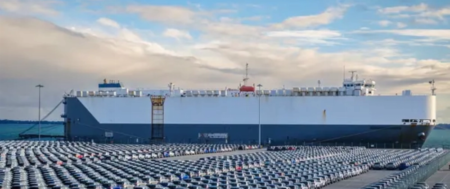
- Physical Integrity: A specialized structural check to ensure no “invisible” damage exists that could trigger a rejection at the Port of Rotterdam or Hamburg.
5. Expert Insight: What Should Dealers Do Now?
The market in Q2 2026 is moving toward “Quality over Quantity.” > Daisy’s Professional Tip: “In this new regulatory environment, the ‘cheapest’ car is often the most expensive in the long run. Focus on vehicles with a clean Digital Battery Passport. The 2024-2025 models are the current ‘sweet spot’—they possess the modern tech required for the 2026 standards but have already cleared their initial depreciation curve.”
6. Conclusion: A New Era of Professionalism
The April 2026 EU-China NEV Trade Agreement is a clear signal that the “Wild West” era of car exporting is over. Professionalism, data accuracy, and compliance are the new currencies of the trade.
As the industry evolves, Evstrader remains committed to being your boots-on-the-ground partner in China. We don’t just find you cars; we ensure those cars meet the complex global standards of tomorrow.