Introduction
The global automotive landscape is shifting at an unprecedented pace in 2026. Today, Chinese EV cars are no longer just an alternative; they are defining the market. From high-tech smart cabins and autonomous driving capabilities to long-range battery performance, the value proposition of importing vehicles from China is irresistible for international dealers. However, for many dealerships attempting their first B2B procurement, the dream of high margins can quickly turn into a nightmare of lost capital and logistical gridlock.
As the industry matures, the “Wild West” days of car exporting have come to an end. Regulatory frameworks are stricter, and consumer expectations for quality have never been higher. This guide breaks down the five most critical risks you must avoid in the current market, providing the professional insights necessary to ensure your import business remains profitable, sustainable, and professional.
Risk 1: The “Salvage Title” Trap
The most pervasive danger in the secondary market is the “Salvage Title” trap. When browsing for cheap EV cars online, many buyers encounter listings that seem perfect on paper but hide catastrophic histories.
- The Reality: Many vehicles sold at rock-bottom prices are not merely “used.” In the context of 2026, the market has seen an increase in vehicles that have been involved in major accidents, suffered severe water immersion (common in monsoon seasons), or were total losses in insurance write-offs. These vehicles are often professionally “cleaned” to look showroom-ready, but their internal structural integrity is compromised.
How to Spot a “Lemon” (Pro Tips):
- Inspect the Fasteners: Check if the hood or fender bolts have been stripped or repainted. Original factory bolts should have clean, untouched paint.
- Check the Glass: Ensure all windows have the same VIN-etched serial numbers and manufacture dates. Mismatched dates often indicate replacement after an impact.
- The “Gap” Test: Use your fingers to measure the gaps between body panels. Uneven gaps are a classic sign of a past collision.
The EVstrader Solution: Never rely on a seller’s word. We exclusively utilize Chaboshi (查博士) S-Grade certification. This rigorous, third-party inspection process verifies the vehicle’s structural integrity, ensuring that no panels have been replaced, no chassis frames are damaged, and there is absolutely zero history of fire or water damage.
Risk 2: Customs and Compliance Disasters
Importing vehicles is not just about the car; it is about the paperwork. In 2026, customs authorities have implemented stricter “Single Window” systems to monitor cross-border trade.
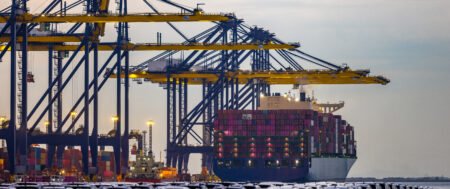
- The Reality: One of the most common reasons a container is held at a port for months—incurring daily storage fees that wipe out your profit—is the lack of proper documentation. If your supplier lacks a valid, government-issued Export License, your cargo will be flagged immediately by customs authorities, leading to seizure, fines, or enforced repatriation of the vehicles.
- The EVstrader Solution: Transparency is the only safety net. EVstrader operates under official Export Licenses issued by the Ministry of Commerce of the P.R.C.. When you source from us, you get a full documentation chain that ensures your cargo is cleared for legal global circulation, minimizing port delays and regulatory friction.
Risk 3: Hidden Costs in Logistics
It is easy to get distracted by a low vehicle price, only to find that the “landed cost” is 30% higher than expected.
- The Reality: Many exporters lure buyers with low prices that exclude mandatory terminal handling charges, inland trucking fees, customs documentation fees, and port storage charges. By the time the vehicle reaches your dealership, the “cheap” deal has become a financial burden.
- The Solution: We believe in absolute price transparency. Our quotes are provided on an EXW (Ex-Works) or FOB (Free on Board) basis with no hidden add-ons. Furthermore, for dealers looking to preserve cash flow, we can integrate flexible EV car lease and financing solutions into your supply chain, ensuring that your capital is optimized for growth rather than tied up in logistical surprises.
Risk 4: Battery & Software Incompatibility
The technical landscape of modern vehicles is complex. A vehicle designed for the Chinese market is not always “plug-and-play” in the international market.
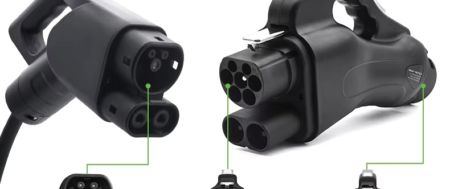
- The Reality: You may find the perfect vehicle only to discover that the EV car charger protocol is incompatible with your local infrastructure. Even more critical is the software: if the car’s infotainment system is locked to Mandarin and lacks local map support, your end-customers will be left with an unusable device.
- The Solution: We don’t just ship cars; we prepare them. Our team provides professional system language flashing services, ensuring the infotainment system is localized to your market’s requirements. We also offer consulting on charging adapters to ensure that your customers can hit the road the moment they leave your dealership.
Risk 5: Lack of After-Sales Support
The biggest mistake a dealer can make is treating a vehicle sale as the “end of the journey.” In the EV world, the journey is just beginning.
- The Reality: What happens if a customer needs a replacement component or a software update after six months? If you bought your stock from a transient “trading house” that disappears after the transaction, your business reputation is at stake.
- The Solution: EVstrader builds long-term partnerships. Through our established supply channels, we provide access to original parts and continuous support. We provide the expertise you need to ensure that your dealership is seen as a reliable, long-term brand in your region, not a one-time pop-up shop.
Macro Perspective: The 2026 Automotive Export Landscape
To succeed in 2026, you must understand the broader picture. The industry is moving away from purely volume-based exports toward quality-led trade. Governments worldwide are becoming more protective of their local automotive sectors, making it vital to import vehicles that are not only high-quality but also fully compliant with local emission and safety standards. By aligning your business with a certified, licensed partner, you insulate your company against shifting political winds and regulatory volatility.
Conclusion: Don’t Let “Cheap” Be Your Destination
The allure of a bargain is powerful, but in the professional B2B automotive trade, certainty is the only currency that matters.
Choosing a partner with a rigorous certification system, legal compliance, and a commitment to after-sales service is not an added cost—it is an investment in your business’s longevity. Professional dealers don’t just buy cars; they buy the reliability, support, and documentation that allow them to sell with confidence.
Ready to import your first container of reliable, certified inventory?
[Contact our expert export team today to request a quote and current stock list.]