Quick Summary
How can international dealers reliably source electric vehicles from China? Successful EV sourcing requires evaluating suppliers across 6 core dimensions: 1. Vehicle sourcing capability, 2. Vehicle condition verification, 3. Used EV battery health (SoH), 4. Export documentation and compliance, 5. Shipping and logistics execution, and 6. Long-term business support and bulk handling. Partnering with a specialized Chinese exporter like EVstrader ensures a secure, streamlined supply chain.
How Can International Dealers Reliably Source Electric Vehicles from China?
International dealers can reduce EV procurement risks by evaluating suppliers across six key dimensions:
- Vehicle sourcing capability
- Vehicle condition verification
- Battery health and diagnostic transparency
- Export documentation and destination-market compliance
- Shipping and logistics execution
- Bulk-order and long-term business support
A reliable China-based EV supplier should provide clear vehicle specifications, VIN-linked inspection records, available battery diagnostic data, transparent pricing and documented shipment procedures before an order is confirmed.
1. The New Standard for Sourcing Electric Vehicles from China
China has become one of the world’s largest manufacturing and supply centers for New Energy Vehicles, including battery electric vehicles, plug-in hybrid vehicles and range-extended electric vehicles.
For international car dealers, distributors, rental companies and fleet operators, sourcing electric vehicles from China can provide access to a wide selection of brands, specifications and price levels. However, purchasing an EV is different from purchasing a conventional internal combustion engine vehicle.
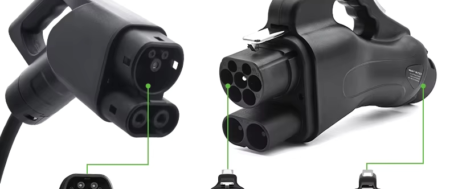
The traction battery, charging system, vehicle software and electronic control systems all affect the vehicle’s usability and resale value. In addition, specifications such as charging connectors, infotainment languages, climate configuration and software connectivity may vary between domestic-market and export-market vehicles.
A successful sourcing process must therefore go beyond finding an attractive purchase price. Dealers need to confirm:
- Whether the vehicle is legally eligible for export
- Whether it can be imported and registered in the destination country
- Whether its battery and mechanical condition can be documented
- Whether its charging system is compatible with the local market
- Whether spare parts and diagnostic support are available
- Whether the supplier can manage repeat and bulk orders consistently
The following six dimensions can help international buyers evaluate a Chinese EV supplier before committing working capital.
2. Six Dimensions for Evaluating a China EV Supplier
1. Vehicle Sourcing Capability
A supplier should be able to source vehicles according to the dealer’s actual market requirements—not simply offer whatever inventory happens to be available.
Before requesting a quotation, buyers should define the following purchasing criteria:
- Brand and model
- New or used condition
- Model year and production date
- Maximum mileage
- Battery or powertrain type
- Left-hand drive or right-hand drive
- Exterior and interior colors
- Trim level and optional equipment
- Target purchase budget
- Required quantity
- Destination country and port
A capable sourcing partner should be able to compare available vehicles across authorized dealers, vehicle marketplaces, trade inventory and other verifiable supply channels.
Static Inventory vs. Dynamic Sourcing
Static inventory allows buyers to select vehicles that are already available and may shorten the delivery time. Dynamic sourcing provides more flexibility when the buyer requires a specific trim, color, model year or mileage range.
For bulk procurement, the supplier should also explain whether all vehicles can be standardized by:
- Model year
- Battery capacity
- Trim level
- Wheel specification
- Interior color
- Charging configuration
- Software or infotainment version
Standardization can simplify local pricing, spare-parts preparation, driver training and after-sales management.
Buyers who have not selected exact models can submit their requirements through our vehicle sourcing service to receive suitable inventory options.
2. Vehicle Condition Verification
Exterior photographs alone cannot confirm whether a vehicle is suitable for retail.
Cosmetic repairs, paintwork or interior refurbishment may improve appearance while leaving structural, mechanical or electronic problems undisclosed. For this reason, every vehicle should be matched to a documented inspection record using its VIN.
A professional vehicle inspection service should cover the following areas:
Vehicle Identity
- VIN and vehicle registration information
- Model year and production date
- Trim and powertrain configuration
- Registration and ownership status
- Dashboard mileage
Exterior and Body Structure
- Paint thickness measurements
- Repainted or repaired body panels
- Scratches, dents and corrosion
- Welding or structural repair indicators
- Glass and lighting condition
- Tire condition and manufacturing dates
Chassis and Mechanical Components
- Suspension components
- Steering system
- Brake condition
- Underbody impact or corrosion
- Fluid leakage
- Abnormal mechanical noise
Interior and Electronic Systems
- Seat and trim condition
- Air-conditioning performance
- Instrument panel warnings
- Cameras and parking sensors
- Infotainment functions
- Charging ports and cables
- Keys and accessories
For used EVs, the inspection should also check for signs of water exposure, underbody impact around the battery enclosure, previous collision repairs and active electronic fault codes.
If EVstrader’s 155-point inspection applies to the selected vehicle, buyers can request the inspection checklist and a sample report before placing an order. Each report should be linked to the corresponding VIN so that the buyer can verify which vehicle was inspected.
3. Battery Health and Diagnostic Transparency
For a used electric vehicle, the traction battery is one of the most valuable and costly components to replace. However, battery condition cannot be evaluated accurately from dashboard range alone.
Displayed range can change according to temperature, driving style, climate-control use, road conditions and the vehicle’s recent energy consumption.
Dealers should request all battery information that can reasonably be obtained for the selected model.
What Should a Battery Inspection Include?
Depending on the vehicle brand, model and diagnostic access, the available report may include:
- Estimated State of Health
- Remaining battery capacity
- Battery fault codes
- Cell-voltage consistency
- Battery temperature data
- Charging system condition
- Abnormal insulation warnings
- High-voltage system faults
- Available charging history
- Dashboard warning messages
- Road-test energy consumption
Not every manufacturer displays or calculates SoH in the same way. Some vehicles provide battery-health information through manufacturer-compatible diagnostic tools, while others offer only limited BMS data.
Therefore, suppliers should clearly explain:
- Which diagnostic tool was used
- Which values came directly from the vehicle
- Which values were estimated
- Whether any information was unavailable
- Whether the report is linked to the vehicle’s VIN
Is 85% SoH the Minimum Acceptable Level?
There is no single SoH threshold suitable for every vehicle or destination market.
Many dealers may prefer used EVs with an estimated SoH of 85% or above, but SoH should not be the only purchasing criterion. A proper evaluation should also consider:
- Vehicle age
- Total mileage
- Original battery capacity
- Remaining usable capacity
- Cell-voltage consistency
- Battery fault codes
- Expected local driving range
- Climate and operating conditions
- Local resale price
- Warranty availability
EVstrader generally recommends prioritizing higher-SoH vehicles for retail and fleet use, subject to the model, age, price and destination-market requirements.
Buyers can request an available EV battery health inspection before confirming the final vehicle list.
4. Export Documentation and Destination-Market Compliance
A vehicle may be available for purchase in China but still be unsuitable for export or registration in the buyer’s country.
Before payment, the buyer and exporter should confirm both sides of the transaction:
- Whether the vehicle meets China’s applicable export requirements
- Whether the vehicle is eligible for import and registration in the destination market
Export-Side Document Checks
The required documents depend on the vehicle, condition, transaction structure and destination. They may include:
- Commercial invoice
- Packing list
- Vehicle ownership or registration documents
- Export license or applicable export documentation
- Customs declaration documents
- Vehicle inspection documentation
- Certificate of origin, when required
- Bill of lading
- Insurance documentation
- Additional documents required for used-vehicle exports
The VIN shown on the vehicle must match the VIN on the inspection report, sales agreement, invoice and export documentation.
China’s vehicle-export requirements may also change over time. The exporter should confirm the rules applicable to the vehicle at the time of shipment, particularly for recently registered vehicles and used vehicles.
Destination-Market Checks
Import requirements vary significantly by country. Before sourcing begins, buyers should confirm:
- Permitted vehicle age
- New or used vehicle import rules
- Model approval requirements
- Left-hand-drive or right-hand-drive requirements
- Energy-efficiency requirements
- Charging connector compatibility
- Vehicle and charger conformity requirements
- Customs duties and taxes
- Importer eligibility
- Local inspection requirements
- Registration restrictions
- Required certificates and translations
For Saudi Arabia, for example, the buyer should verify applicable SASO, vehicle model conformity, energy-efficiency and importer requirements for the exact model before shipment.
The supplier can assist with document preparation and vehicle information, but final import approval is determined by the relevant authorities in the destination country. Buyers should confirm local requirements with a licensed customs agent or regulatory authority before placing a bulk order.
More details are available in our EV export documentation guide.
5. Shipping and Logistics Execution
EV logistics include more than booking sea freight. The process may involve domestic vehicle transportation, temporary storage, port delivery, export declaration, loading, marine insurance and destination-port coordination.
A reliable logistics plan should define:
- Departure port
- Destination port
- Estimated sailing schedule
- Shipping method
- Vehicle dimensions and weight
- Running or non-running condition
- Loading and securing method
- Freight inclusions and exclusions
- Marine insurance
- Required battery or vehicle declarations
- Destination charges
- Documentation cutoff dates
Container Shipping vs. Ro-Ro Shipping
Neither container shipping nor Roll-on/Roll-off shipping is universally better.
| Shipping Method | Potential Advantages | Points to Confirm |
|---|---|---|
| Container shipping | Enclosed handling, flexible shipment size and possible mixed-model consolidation | Container capacity, loading method, vehicle dimensions and destination unloading |
| Ro-Ro shipping | Efficient vehicle handling and potentially competitive costs for larger batches | Route availability, vehicle running condition, sailing frequency and carrier acceptance |
| Flat-rack shipping | Suitable for oversized or special vehicles | Higher exposure, securing requirements and additional handling costs |
The appropriate method depends on the quantity, vehicle dimensions, destination port, sailing schedule, carrier requirements and total landed cost.
Transit Protection
Before departure, buyers should request evidence of the loading and securing process. Depending on the shipping method, this may include:
- Vehicle condition photographs before loading
- Wheel chocks or approved securing equipment
- Professional lashing
- Protection for high-contact surfaces
- Key-management records
- Vehicle position records
- Container loading photographs
- Container seal number
- Bill of lading details
Protective film may help reduce surface contamination and minor handling marks, but it should not be presented as a substitute for professional loading, securing and cargo insurance.
See our vehicle shipping from China page for available container and Ro-Ro solutions.
6. Bulk-Order and Long-Term Business Support
Completing one vehicle shipment does not prove that a supplier can support a dealership or fleet over the long term.
For repeat purchasing, dealers should evaluate whether the supplier has a consistent process for:
- Bulk and mixed-model sourcing
- Vehicle specification control
- VIN-level inspection records
- Consolidated quotation management
- Deposit and balance-payment terms
- Loading and shipment scheduling
- Spare-parts sourcing
- Diagnostic information
- Documentation retention
- Claims and transit-damage handling
- Repeat-order communication
Can the Supplier Handle Mixed-Model Orders?
Mixed-model orders can help dealers test local demand, but they also create additional complexity.
Before confirming a mixed batch, check:
- Whether the vehicles can be loaded together
- Whether dimensions affect container capacity
- Whether different models need different charging accessories
- Whether all vehicles meet the same destination rules
- Whether each VIN has a separate inspection report
- Whether spare parts and diagnostics can be supported locally
A suitable supplier should explain these limitations before collecting payment, rather than after the vehicles reach the port.
EV Sourcing Checklist for International Dealers
Use the following checklist before approving a vehicle list or bulk order.
| Checkpoint | What the Buyer Should Request |
|---|---|
| Vehicle identity | VIN, model year, production date and registration status |
| Specification | Trim, battery capacity, drivetrain, LHD/RHD and charging connector |
| Vehicle condition | Exterior, interior, chassis and accident inspection |
| Mileage | Dashboard record and available diagnostic cross-check |
| Battery | Available SoH, capacity, cell consistency and fault codes |
| Charging | Connector type, onboard charger and destination compatibility |
| Software | Interface language, connectivity and regional function limitations |
| Export eligibility | Applicable China export documents and vehicle status |
| Import eligibility | Destination-country model, age and compliance requirements |
| Commercial terms | Unit price, quantity, deposit, balance and quotation validity |
| Logistics | Incoterm, shipping method, loading plan and estimated schedule |
| Insurance | Scope of cargo insurance and claims procedure |
| After-sales | Spare parts, diagnostic support and warranty limitations |
Dealers should keep the quotation, vehicle list, inspection report and shipment records connected through the VIN. This reduces the risk of receiving a vehicle that differs from the one originally approved.
Why Work with a China-Based EV Export Partner?
Sourcing vehicles individually may require buyers to coordinate with multiple sellers, inspection providers, domestic transport companies, customs agents and freight forwarders.
A China-based sourcing and export partner can simplify this process by coordinating the transaction through one documented workflow.
EVstrader supports international dealers and fleet buyers with:
Vehicle Sourcing Based on Buyer Requirements
We source available vehicles according to the requested model, model year, mileage, condition, color, specification and budget. Buyers receive vehicle details for approval before the final purchase is confirmed.
VIN-Linked Condition Verification
Available inspection reports, photographs and diagnostic records are matched to the corresponding VIN. Where applicable, buyers may request our 155-point inspection checklist and sample report.
Available EV Battery Diagnostics
Depending on vehicle compatibility and diagnostic access, battery checks may include estimated SoH, remaining capacity, fault-code scanning, charging-system checks and cell-consistency information.
Export Documentation Coordination
We coordinate available vehicle documents, commercial documentation, customs-related preparation and shipment records. Destination-country requirements should be confirmed jointly with the buyer and their local import or customs representative.
Container and Ro-Ro Shipping Support
Shipping recommendations are based on vehicle quantity, dimensions, route availability, carrier requirements, destination port and total cost—not on a single shipping method for every order.
Support for Repeat and Bulk Orders
For dealers and fleets, we can organize standardized or mixed-model sourcing, VIN lists, inspection records and consolidated shipment planning.
5. Frequently Asked Questions
How do I verify a Chinese EV supplier before placing a bulk order?
Ask the supplier to provide its business information, export experience, vehicle sourcing process, sample sales documents, VIN-linked inspection reports, battery diagnostic samples and loading records.
For an initial transaction, consider starting with a manageable quantity before expanding to a larger recurring order.
What battery information should I request for a used EV?
Request all available model-specific information, including estimated SoH, remaining usable capacity, battery fault codes, cell-voltage consistency, charging-system condition and relevant warning records.
Because diagnostic access varies by manufacturer, ask the supplier to explain how each value was obtained.
Is 85% battery SoH acceptable for a used electric vehicle?
An estimated SoH of 85% or above may be suitable for many used-EV purchasing strategies, but it is not a universal standard.
The decision should also consider vehicle age, mileage, usable capacity, fault codes, local climate, expected retail price and customer expectations.
Is container shipping better than Ro-Ro for EVs?
Not in every case.
Container shipping offers enclosed handling and may support smaller or mixed-model shipments. Ro-Ro can be efficient for larger quantities where suitable routes and carrier acceptance are available.
Compare total landed cost, schedule, handling process, insurance and destination-port conditions before deciding.
Can Chinese domestic-market EVs be used in other countries?
Possibly, but compatibility must be checked before purchase.
Important factors include charging connectors, voltage standards, software language, navigation, mobile applications, network connectivity, spare parts, local registration and warranty limitations.
Can an exporter guarantee customs clearance in the destination country?
An exporter can assist with vehicle information and export documentation, but destination-country clearance is controlled by local authorities.
The importer should verify the model’s eligibility with a licensed customs agent or relevant authority before confirming the order.
6. Ready to Source EVs for Your Dealership or Fleet?
Reliable EV sourcing begins with clear specifications, documented inspections and transparent logistics.
Tell EVstrader what you need, and our commercial team can prepare suitable vehicle options based on your target market.
Please include:
- Buyer type: Dealer, distributor, rental company or fleet operator
- Destination country and port
- Target brands and models
- New or used condition
- Required quantity
- Preferred model year and mileage
- Powertrain: BEV, PHEV or EREV
- Preferred colors and trim levels
- Target budget per unit
- Required trade term: FOB, CIF or other
- Expected purchasing schedule
Request Current Inventory, Inspection Reports and FOB/CIF Pricing
EVstrader helps international buyers coordinate vehicle sourcing, inspection, documentation and shipment from China—with clear vehicle information provided before order confirmation.