Introduction:
Chinese electric cars have become increasingly important to international dealers, distributors, rental companies and fleet operators. Buyers can now choose from compact city EVs, family sedans, electric SUVs and premium models across a wide range of budgets.
However, the best Chinese electric car for an importer is not necessarily the model with the longest advertised range or the lowest purchase price.
Importers also need to consider:
- Destination-market eligibility
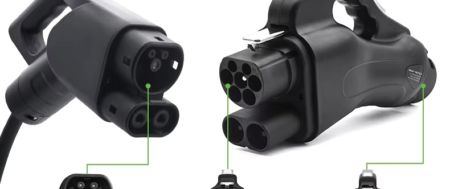
- Charging connector compatibility
- Battery condition and thermal management
- Spare-parts availability
- Software and language limitations
- Local customer demand
- Shipping efficiency
- After-sales and diagnostic support
This guide introduces Chinese electric cars that international buyers may consider in 2026 and explains how to evaluate them before placing a wholesale or mixed-model order.
Quick Answer: Which Chinese Electric Cars Should Importers Consider?
Chinese electric cars worth evaluating in 2026 include models from BYD, Geely, GAC Aion, Changan Deepal and Leapmotor.
Examples include:
- BYD Dolphin for compact urban mobility
- BYD Yuan Plus/Atto 3 for the family SUV market
- BYD Seal for the mid-size electric sedan segment
- GAC Aion Y Plus for ride-hailing and family use
- Geely EX5 for compact electric SUV buyers
- Deepal S07 for buyers seeking a technology-focused SUV
- Leapmotor C10 for the value-oriented SUV segment
- BYD Song Plus DM-i for markets where charging infrastructure remains limited
The right model depends on the destination country, customer profile, climate, charging network and import regulations. Specifications and export availability can also differ by model year and configuration, so every order should be verified before payment.
Why Are Chinese Electric Cars Attractive to International Importers?
China offers one of the world’s broadest selections of electric and new-energy vehicles. International buyers can source compact cars, sedans, SUVs, MPVs and commercial vehicles from established manufacturers and newer EV-focused brands.
For dealers and fleet buyers, the main advantages may include:
Broader Vehicle Selection
Chinese manufacturers offer models across multiple price and specification levels. This allows importers to build inventory for different customer groups instead of relying on a single premium or budget segment.
Competitive Technology
Depending on the model, available features may include:
- Lithium iron phosphate or other battery chemistries
- Battery thermal-management systems
- Driver-assistance features
- Large infotainment displays
- Vehicle-to-load functionality
- Fast-charging capability
- Connected vehicle functions
- Heat pumps on selected configurations
Not every feature will operate normally outside China. Language, navigation, mobile applications, network connectivity and over-the-air updates should be checked before purchasing.
New and Used Vehicle Availability
Importers can compare both new vehicles from China and used vehicles from China.
New vehicles may provide greater specification consistency, while used vehicles can offer a lower entry cost. Used EVs, however, require stronger battery, mileage and condition verification.
Flexible Sourcing for Dealers
International dealers may need a specific combination of:
- Brand and model
- Model year
- Mileage
- Battery capacity
- Exterior and interior color
- Trim level
- Left-hand or right-hand drive
- Charging configuration
- Target budget
- Required quantity
A sourcing partner should confirm which requirements can be standardized across a bulk order and which may vary between vehicles.
Chinese Electric Cars to Consider in 2026
The following models represent different market segments. Inclusion does not mean that every vehicle is suitable for every country. Buyers should verify the exact configuration, export availability and destination-market requirements before ordering.
1. BYD Dolphin: Compact Electric Car for Urban Markets
The BYD Dolphin is a compact battery-electric vehicle that may appeal to urban commuters, rental companies and ride-hailing operators.
Its relatively compact dimensions can make it suitable for congested cities, while its hatchback design provides more flexibility than many small sedans.
Potential buyer groups include:
- Urban private-car buyers
- Car-rental companies
- Ride-hailing fleets
- First-time EV customers
- Dealers seeking an entry-level electric model
Importers should verify the battery version, charging connector, onboard charger, software language and destination-market specification. The same model name may be offered with different equipment in different markets.
Buyers can review the currently listed BYD Dolphin or request other available configurations.
2. BYD Yuan Plus/Atto 3: Compact Electric SUV
The BYD Yuan Plus, marketed as the Atto 3 in a number of international markets, is positioned in the compact electric SUV segment.
This category is attractive because it combines family use, higher seating and practical cargo space. It may suit dealers looking for an electric SUV with broader consumer appeal than a compact city car.
Before ordering, confirm:
- Domestic or export-market configuration
- Vehicle and infotainment language
- Charging connector
- Battery and motor version
- Included charging cable
- Local parts availability
- Destination-market model approval
Importers should not assume that a Chinese domestic-market Yuan Plus is identical to an officially distributed Atto 3.
3. BYD Seal: Mid-Size Electric Sedan
The BYD Seal is a mid-size electric sedan positioned for buyers who prioritize design, technology and driving performance.
It may be suitable for:
- Premium private buyers
- Executive transport
- Higher-end rental fleets
- Dealers seeking an alternative to established international electric sedans
Available driving range, drivetrain and charging performance differ by version. Importers should identify the exact trim and battery configuration instead of relying only on the model name.
Where local demand favors SUVs, dealers may want to test the Seal in a limited quantity before committing to a large order.
4. GAC Aion Y Plus: Practical EV for Families and Fleets
The GAC Aion Y Plus offers an upright body design and interior space that may appeal to families, transport services and commercial fleets.
For fleet operators, interior practicality and operating costs may be more important than acceleration or premium features. Buyers should therefore compare:
- Seating and cargo capacity
- Realistic operating range
- Air-conditioning performance
- Charging time
- Parts and diagnostic support
- Battery warranty limitations outside China
Importers should also check whether the selected configuration is suitable for local taxi, ride-hailing or commercial registration requirements.
5. Geely EX5: Compact Electric SUV Option
The Geely EX5 expands the range of Chinese electric SUVs available to international buyers.
For dealers, the model may be relevant where customers want a modern crossover rather than a sedan or small hatchback. Evaluation should include cabin space, charging compatibility, climate suitability and local brand recognition.
Because international and Chinese-market versions can differ, buyers should confirm:
- Exact model designation
- Production date
- Battery specification
- Safety and conformity documents
- Software region
- Charging hardware
- Included accessories
Dealers should avoid advertising an international specification until the vehicle’s VIN and configuration have been confirmed.
6. Deepal S07: Technology-Focused SUV
The Deepal S07 is positioned as a technology-oriented SUV and may be available in different powertrain forms, depending on the market and model year.
This distinction is important. A battery-electric vehicle and an extended-range version may look similar while having very different:
- Registration classifications
- Import duties
- Charging requirements
- Fuel and maintenance needs
- Customer use cases
Importers should clearly state whether they require a BEV or an EREV before requesting a quotation.
The S07 may be relevant to markets where customers want modern digital features and SUV practicality, but software language, application access and connectivity should be tested before resale.
7. Leapmotor C10: Value-Oriented Electric SUV
The Leapmotor C10 may appeal to importers seeking a competitively positioned SUV with modern interior technology.
However, price should not be the only consideration. Importers should evaluate:
- Brand recognition in the destination country
- Availability of replacement parts
- Diagnostic-tool access
- Software support
- Charging compatibility
- Local resale demand
- Availability of technical documentation
Newer brands may offer attractive specifications, but dealers should plan after-sales support before ordering significant quantities.
8. BYD Song Plus DM-i: Alternative for Limited Charging Networks
The BYD Song Plus DM-i is a plug-in hybrid rather than a fully electric car. It is included because many emerging markets are interested in electric driving but do not yet have a mature public-charging network.
A PHEV may provide greater operational flexibility for:
- Long-distance drivers
- Customers without reliable home charging
- Regional transport
- Markets with limited charging coverage
- Buyers transitioning from conventional vehicles
However, a PHEV includes both an electric system and an internal-combustion engine. Buyers should consider maintenance, emissions compliance, fuel quality and parts support in addition to battery condition.
Importers can also review EVstrader’s guide to long-range PHEVs for Middle Eastern and African markets.
Chinese Electric Car Comparison for Importers
| Model | Vehicle Type | Powertrain | Potential Market Position | Important Import Check |
|---|---|---|---|---|
| BYD Dolphin | Compact hatchback | BEV | Urban and entry-level EV | Connector, battery version and software |
| BYD Yuan Plus/Atto 3 | Compact SUV | BEV | Family and mainstream SUV | Domestic vs. export specification |
| BYD Seal | Mid-size sedan | BEV | Premium sedan | Trim, drivetrain and local demand |
| GAC Aion Y Plus | Compact MPV/SUV | BEV | Family, taxi and fleet | Fleet approval and parts support |
| Geely EX5 | Compact SUV | BEV | Mainstream family SUV | Market-specific configuration |
| Deepal S07 | Mid-size SUV | BEV/EREV | Technology-focused SUV | Confirm the exact powertrain |
| Leapmotor C10 | Mid-size SUV | BEV/EREV | Value-oriented SUV | Diagnostics and after-sales support |
| BYD Song Plus DM-i | SUV | PHEV | Markets with limited charging | Emissions, fuel and charging compliance |
Specifications vary by year, trim and destination. Request a VIN-level vehicle list before confirming an order.
How Should Importers Choose the Right Chinese EV?
1. Define the Target Customer
A model suitable for a premium showroom may not be suitable for a taxi fleet.
Before requesting vehicles, define:
- Customer budget
- Typical daily driving distance
- Passenger and cargo requirements
- Preferred vehicle body type
- Local fuel and electricity costs
- Availability of home and public charging
- Expected resale period
This helps the supplier recommend vehicles based on commercial requirements instead of available inventory alone.
2. Check Destination-Market Eligibility
A vehicle available in China is not automatically eligible for import or registration in another country.
Before purchase, confirm:
- Vehicle-age restrictions
- Left-hand or right-hand-drive rules
- Model conformity requirements
- Safety and energy-efficiency standards
- Import duties and taxes
- Local inspection procedures
- Registration eligibility
- Required certificates and translations
The buyer should verify final requirements with a licensed customs agent or relevant authority in the destination country.
3. Verify Charging Compatibility
Charging compatibility is one of the most important checks when sourcing an electric car from China.
Importers should identify:
- AC charging connector
- DC fast-charging connector
- Local grid voltage and frequency
- Onboard charger specification
- Maximum supported charging rate
- Availability of compatible public chargers
- Whether an adapter is technically and legally suitable
- Included charging cable or portable charger
An adapter does not automatically solve every compatibility problem. Communication protocols, voltage limits, thermal protection and local certification should also be considered.
4. Evaluate Battery Condition
For used Chinese electric cars, dashboard range alone is not sufficient evidence of battery condition.
Depending on the model and available diagnostic access, buyers should request:
- Estimated battery State of Health
- Remaining usable capacity
- Battery fault codes
- Cell-voltage consistency
- Battery temperature information
- High-voltage system warnings
- Charging-system condition
- Available service or charging records
- Road-test energy consumption
Not every manufacturer reports SoH in the same way. The inspection provider should explain which values came directly from the vehicle and which were estimated.
5. Check Vehicle Condition by VIN
Every used vehicle should be connected to a specific VIN-level inspection record.
The inspection should cover:
- VIN and vehicle identity
- Model year and production date
- Dashboard mileage
- Exterior panels and paintwork
- Signs of accident repair
- Chassis and underbody
- Battery enclosure
- Suspension, steering and brakes
- Interior equipment
- Air conditioning
- Cameras and sensors
- Instrument-panel warnings
- Charging ports and cables
- Keys and accessories
Where applicable, buyers can request EVstrader’s available 155-point inspection checklist and sample vehicle report before confirming the final vehicle list.
6. Plan Parts and Diagnostic Support
Before importing a new brand, dealers should ask:
- Which service parts can be sourced from China?
- Are body panels and lights available?
- Can diagnostic fault codes be read locally?
- Is specialist software required?
- Are English repair manuals available?
- Can replacement charging components be supplied?
- Are remote applications restricted by region?
- Does the original warranty remain valid after export?
After-sales planning is especially important when importing vehicles that do not yet have an official distributor in the destination country.
New vs. Used Chinese Electric Cars
| Factor | New Chinese EVs | Used Chinese EVs |
|---|---|---|
| Purchase price | Usually higher | Potentially lower |
| Vehicle condition | More consistent | Requires VIN-level inspection |
| Mileage | Minimal | Varies by vehicle |
| Battery condition | Normally easier to assess | Diagnostic checks are essential |
| Specification consistency | Better for bulk orders | May vary across mixed inventory |
| Availability | Depends on manufacturer and dealer supply | Can provide more price options |
| Warranty | Must confirm export validity | Often limited or unavailable |
| Best suited for | Standardized dealer inventory | Value-focused and mixed-model orders |
Neither option is universally better. The decision depends on the buyer’s budget, local retail strategy, compliance requirements and ability to manage after-sales support.
Shipping Chinese Electric Cars Internationally
Chinese electric cars can be shipped by container or Roll-on/Roll-off services, depending on the route, quantity, dimensions and carrier requirements.
Before shipment, buyers should confirm:
- Departure and destination ports
- Container or Ro-Ro availability
- Vehicle running condition
- Battery-related carrier requirements
- Loading and securing method
- Marine cargo insurance
- Estimated schedule
- Freight inclusions and exclusions
- Destination-port charges
- Document-release method
For a practical example, buyers can review EVstrader’s 30-unit used EV container shipment to the Middle East.
Frequently Asked Questions
Are Chinese electric cars suitable for export?
Many Chinese electric cars can be exported, but suitability depends on the vehicle, export documentation and destination-country requirements. Import and registration eligibility should be confirmed before purchase.
Which Chinese electric car is best for importers?
There is no single best model for every importer. Compact EVs may suit urban fleets, while electric SUVs may provide stronger retail demand in family-oriented markets. The best choice depends on price, customer demand, charging compatibility, local regulations and after-sales support.
Can Chinese domestic-market EVs be used overseas?
Possibly, but importers must check charging connectors, voltage, software language, mobile applications, navigation, connectivity, replacement parts and local registration requirements.
Are used Chinese electric cars reliable?
A used EV can be suitable for resale or fleet use when its identity, condition, mileage, battery and fault codes are properly inspected. Model age or dashboard range alone cannot confirm reliability.
Should importers choose BEVs, PHEVs or EREVs?
BEVs may suit markets with reliable charging infrastructure. PHEVs and EREVs may provide more flexibility where charging access is limited or buyers regularly travel long distances. Local tax and registration classifications should also be checked.
Can EVstrader provide wholesale EV pricing?
Vehicle prices depend on the model, trim, condition, mileage, quantity, exchange rate and shipping terms. Buyers should request a current vehicle list and specify whether they need FOB, CIF or another trade term.
Source Chinese Electric Cars with EVstrader
EVstrader supports international dealers, distributors, rental businesses and fleet operators sourcing new and used vehicles from China.
Depending on the selected vehicles and destination, our team can coordinate:
- Vehicle sourcing
- Current inventory lists
- VIN-level vehicle information
- Condition inspection
- Available battery diagnostics
- Commercial documentation
- Container or Ro-Ro planning
- Loading records
- Bulk and mixed-model orders
To receive suitable vehicle options, please provide:
- Destination country and port
- Required brands or models
- New or used condition
- BEV, PHEV or EREV
- Required quantity
- Target model year
- Maximum mileage
- Preferred colors and trims
- Budget per vehicle
- Required trade term
- Expected purchasing schedule
Contact EVstrader for Current Inventory and FOB/CIF Pricing
Vehicle specifications, supply and destination-market requirements may change. All vehicle and import details should be reconfirmed before an order is finalized.