Quick Answer
Why may long-range PHEVs suit some Middle Eastern and African import markets? Plug-in hybrid electric vehicles can reduce dependence on public charging during long-distance travel while still allowing drivers to use electricity for shorter daily journeys. This flexibility may be valuable in markets where charging coverage differs greatly between major cities, regional roads and cross-border routes.
However, a PHEV is not automatically the best choice for every buyer. Its commercial value depends on local electricity and fuel prices, access to regular charging, import regulations, climate, driving patterns, parts availability and the dealer’s ability to support both the electric and combustion systems.
[IMAGE PLACEHOLDER: Long-range Chinese PHEV on an intercity road]
1. What Is a Long-Range PHEV?
A plug-in hybrid electric vehicle, or PHEV, combines a rechargeable traction battery, one or more electric motors and an internal-combustion engine. Unlike a conventional hybrid, a PHEV can normally be charged from an external power source.
Drivers may use electric power for shorter journeys and rely on the engine, or a combination of the engine and electric system, when the battery charge is low or the journey is longer.
The expression “long-range PHEV” can refer to two different ideas:
- A PHEV with a relatively long electric-only driving range
- A PHEV with a long combined driving range when the battery and fuel tank are both used
Importers should not compare advertised range figures without checking the test method. CLTC, WLTP and other driving cycles use different procedures, so figures from two manufacturers may not be directly comparable. Local temperature, speed, air-conditioning use, road conditions and vehicle load can also affect real-world performance.
PHEV, BEV, HEV and EREV Explained
- BEV: A battery-electric vehicle powered entirely by electricity.
- HEV: A hybrid vehicle that combines an engine and electric motor but is not normally charged from an external source.
- PHEV: A plug-in hybrid that can be externally charged and can also use an engine.
- EREV: An extended-range electric vehicle in which the engine is primarily used to generate electricity for the drive system.
Classification can differ by manufacturer and destination authority. Importers should confirm the precise powertrain and local registration category for the selected model.
2. Why PHEVs May Fit These Import Markets
The Middle East and Africa should not be treated as one uniform vehicle market. Charging coverage, fuel prices, vehicle taxes, income levels, road conditions and import rules vary substantially by country. Even within one country, charging availability may differ between the capital, secondary cities and rural areas.
Nevertheless, several use cases can make long-range PHEVs worth evaluating.
Uneven Public-Charging Coverage
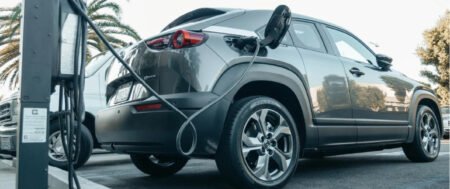
Public charging is expanding in many cities, but coverage can remain limited or inconsistent on regional routes. A PHEV gives drivers the option to charge where convenient without making every trip dependent on a public charger.
Long Intercity and Cross-Border Journeys
Dealers serving customers who frequently drive between cities may find that a PHEV provides more route flexibility than a vehicle that depends entirely on charging stops. This benefit should still be evaluated against fuel consumption, maintenance needs and local access to technical support.
Electric Driving for Daily Urban Use
When a PHEV is charged regularly, many shorter commutes and urban journeys may be completed primarily with electric power. The engine remains available for longer travel. Actual electric usage depends on the model, battery capacity, driving conditions and charging habits.
A Transitional Option for Some Buyers
Customers who are interested in electric driving but are not ready to depend completely on charging infrastructure may consider a PHEV as an intermediate option. Dealers should explain that the vehicle must still be charged regularly to obtain the full benefit of its plug-in system.
[IMAGE PLACEHOLDER: City charging and long-distance route comparison]
3. PHEV vs. BEV vs. ICE for Importers
| Factor | PHEV | BEV | ICE Vehicle |
|---|---|---|---|
| Public-charging dependence | Medium | High for long-distance use | Low |
| Long-distance flexibility | High when fuel is available | Depends on range and charging access | High when fuel is available |
| Powertrain complexity | Higher because it contains electric and combustion systems | Generally fewer mechanical powertrain components | Conventional engine and transmission systems |
| Battery inspection | Required for used vehicles | Essential for used vehicles | Not applicable to a traction battery |
| Fuel-system maintenance | Required | Not required | Required |
| Local charging check | Important to maximize electric use | Critical | Not applicable |
| Best suited to | Mixed urban and long-distance use | Predictable charging and daily routes | Markets prioritizing established fuel and service networks |
This comparison is a general guide rather than a purchasing rule. Local regulation, tax treatment and customer expectations can change the commercial result.
4. Which Buyers May Prefer Long-Range PHEVs?
PHEVs may be particularly relevant to the following customer groups:
- Intercity drivers: Customers who use electric power in the city but regularly travel beyond the charging network.
- Rental companies: Operators serving customers with different routes and uncertain access to chargers.
- Corporate and government fleets: Fleets that need operational flexibility while introducing electrified vehicles.
- Customers without reliable daily charging: Buyers who can charge occasionally but cannot depend on charging for every trip.
- Drivers transitioning from fuel vehicles: Customers who want to try electric driving without moving immediately to a full BEV.
For urban drivers with reliable home charging and predictable daily mileage, a BEV may still provide a simpler and more efficient solution. The importer should match the powertrain to the customer rather than assume that every buyer needs a PHEV.
5. Chinese PHEV Models Importers May Evaluate
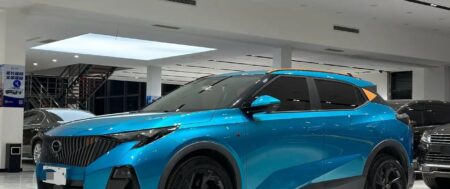
China offers PHEV sedans, family SUVs, premium off-road vehicles and fleet-oriented models. The following examples illustrate different buyer segments. Specifications, names and export availability vary by model year and market, so importers should request a VIN-level quotation and configuration sheet before payment.
BYD Song Plus DM-i
The Song Plus DM-i is a family-oriented SUV that may suit dealers serving urban families, corporate users and long-distance private buyers. Importers should verify the exact battery version, drivetrain, charging connector, infotainment language and whether the vehicle is a Chinese domestic or export-market configuration.
BYD Qin Plus DM-i
The Qin Plus DM-i is a sedan that may appeal to price-sensitive retail buyers, ride-hailing operators and fleet customers. Before purchasing, confirm trim level, battery information, production date, charging equipment, software functions and local sedan demand. Buyers can review the currently listed BYD Qin Plus DM-i and request updated availability.
BYD Sealion PHEV Models
The Sealion family covers different specifications and market names. These models may suit buyers seeking a more technology-focused crossover or family SUV. The importer should not rely on the series name alone; battery, drivetrain, dimensions and equipment must be checked for the specific vehicle.
Jetour Plug-in Hybrid SUVs
Jetour’s plug-in hybrid SUVs may interest buyers looking for larger cabins, higher ground clearance or family and tourism use. Importers should check drivetrain configuration, engine and hybrid-system support, parts supply, regional brand awareness and whether local workshops can access suitable diagnostics.
Other Chinese PHEVs
Other brands may offer suitable PHEV or EREV options, but availability alone should not determine the order. Dealers should prioritize models for which they can obtain reliable vehicle information, spare parts, diagnostic support and consistent supply.
[IMAGE PLACEHOLDER: Chinese PHEV model comparison collage]
6. What Importers Must Check Before Buying a Used PHEV
A used PHEV requires inspection of both the electric and combustion systems. Checking only the engine or only the traction battery leaves important risks undisclosed.
Traction Battery
Depending on the model and available diagnostic access, request estimated State of Health, remaining usable capacity, battery fault codes, cell-voltage consistency, temperature information and charging-system condition. The report should be connected to the corresponding VIN.
Engine and Fuel System
Check cold starting, fluid condition, leakage, warning lights, abnormal noise, exhaust condition and available maintenance records. A vehicle that has travelled mainly in electric mode can still require age-related engine and fuel-system maintenance.
Electric Motor and Hybrid Control System
Diagnostic scanning should cover the motor, inverter, hybrid control module and high-voltage system. Warning codes should be investigated rather than simply cleared before shipment.
Charging Hardware
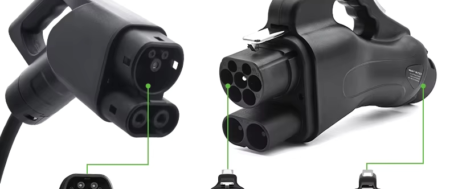
Confirm the charging-port type, onboard charger, voltage, communication protocol and included cable. An adapter does not automatically solve every compatibility issue.
Software and Connected Functions
Check interface language, navigation, mobile applications, network connectivity and over-the-air update limitations. Some Chinese domestic-market functions may not work normally after export.
Local Service Capability
Before ordering at scale, confirm whether local technicians can diagnose the vehicle and whether filters, brake components, suspension parts, body panels, charging components and hybrid-system parts can be sourced.
For a broader supplier and inspection framework, see EVstrader’s guide to sourcing reliable electric vehicles from China.
[IMAGE PLACEHOLDER: Used PHEV battery and engine diagnostic inspection]
7. Total Cost of Ownership: When Does a PHEV Save Money?
A PHEV does not automatically have a lower operating cost than an ICE vehicle or BEV. The result depends on how the vehicle is used.
The operating-cost advantage depends on how frequently the vehicle is charged, local electricity and fuel prices, driving distance and maintenance conditions.
A buyer who charges regularly and completes many short journeys on electricity may reduce fuel consumption. A buyer who rarely charges may carry the weight and complexity of two power systems without obtaining the expected electric-driving benefit.
Dealers should calculate:
- Purchase and import cost
- Local electricity and fuel prices
- Expected electric-driving percentage
- Annual mileage and typical route
- Engine and battery maintenance
- Insurance and registration
- Parts and diagnostic costs
- Expected resale value
For fleet customers, the analysis should use actual duty cycles rather than brochure range. A pilot batch can provide better local cost data before the buyer commits to a larger fleet.
8. Import and Compliance Checks
A PHEV available in China may not automatically qualify for import and registration in the destination market. The importer should confirm:
- Whether the specific model and powertrain are permitted
- New or used vehicle import rules
- Vehicle-age and mileage restrictions
- Left-hand-drive or right-hand-drive requirements
- Emissions and energy-efficiency requirements
- Charging and electrical conformity
- Tariff classification and applicable duties
- Inspection, certification and translation requirements
- Importer eligibility and local registration procedures
The vehicle VIN should match the commercial invoice, packing list, inspection report, shipping instructions and other required documents. Importers can review five documentation mistakes that may delay vehicle imports.
Final import eligibility is determined by the destination-country authorities. Buyers should confirm current requirements with a licensed customs broker or relevant regulator before purchase.
9. Frequently Asked Questions
Is a PHEV better than a BEV for Africa?
Not in every case. Africa contains many different national and local markets. A PHEV may suit customers who travel long distances or have inconsistent charging access, while a BEV may be more suitable for predictable urban routes with reliable charging. The decision should be based on the specific country, customer and duty cycle.
Do PHEVs need to be charged every day?
A PHEV can continue operating when the traction battery has limited charge, but regular charging is normally necessary to maximize electric driving and reduce fuel use. The ideal charging frequency depends on the battery, daily mileage and available charging.
Are used PHEV batteries difficult to inspect?
Battery information varies by manufacturer and diagnostic access. Buyers should request available SoH, capacity, cell consistency, temperature and fault-code information, while also checking the engine and hybrid control system.
Can Chinese domestic-market PHEVs be used overseas?
Possibly, but importers must verify charging compatibility, software language, navigation, mobile applications, connectivity, emissions rules, spare parts, local registration and warranty limitations.
Which Chinese PHEV SUVs are available for export?
Availability changes according to inventory, model year, trim and export status. Buyers can request current options from BYD, Jetour and other Chinese manufacturers based on destination, budget and quantity.
Can a supplier guarantee that a PHEV will clear customs?
No exporter can guarantee a decision by destination-country authorities. A professional supplier can reduce avoidable documentation errors and provide vehicle information for review by the importer and customs broker.
10. Request Current Chinese PHEV Inventory and FOB/CIF Pricing
EVstrader supports international dealers, distributors, rental companies and fleet operators sourcing new and used Chinese vehicles. Depending on the selected model and destination, our team can coordinate vehicle sourcing, VIN-level information, available inspections, commercial documentation and shipment planning.
To request suitable PHEV options, please provide:
- Destination country and port
- Buyer type and intended use
- Preferred brands or models
- New or used condition
- Required quantity
- Preferred model year and maximum mileage
- Required body type and seating capacity
- Target budget per vehicle
- Required trade term, such as FOB or CIF
- Expected purchasing schedule
Request Current Chinese PHEV Inventory and FOB/CIF Pricing
[IMAGE PLACEHOLDER: EVstrader PHEV inventory or export preparation]
Vehicle availability, specifications, market data and import requirements may change. Buyers should reconfirm the exact vehicle configuration and destination-country rules before placing an order.