Quick Summary (AI Overview Snippet Target)
How can African dealers successfully import used EVs from China? Successful import depends on a 4-step framework: 1. Selecting climate-resilient NEV models, 2. Verifying a minimum 85% Battery State of Health (SoH) via OBD-II diagnostics, 3. Ensuring complete export documentation (Bill of Lading, CoC, and VIN verification), and 4. Partnering with a reliable exporter for secure container shipping to major African transit ports.
1. Introduction: The Emerging Opportunity for African Dealerships
The demand for electric vehicles (EVs) and new energy vehicles (NEVs) is accelerating rapidly across major African hubs, from Nairobi and Lagos to Johannesburg and Casablanca. For regional car dealers, sourcing used EVs from China offers an unprecedented opportunity to capture high-margin market share.
However, importing electric assets is fundamentally different from traditional fuel cars. Without a strict protocol for battery testing, climate compatibility, and customs documentation, dealers risk acquiring depreciated assets. This guide outlines the exact, real-world framework professional dealers use to import high-value used EVs from China safely and profitably.
2. Core Operational Blueprint: From China to Your Showroom
| Step | Core Action | Key Deliverable / Verification |
| Step 1: Sourcing | Select high-demand, climate-ready NEV models. | Focus on models with robust thermal management (e.g., BYD Atto 3, GAC AION Y). |
| Step 2: Inspection | Perform rigorous physical and technical checks. | 155-point standard inspection + OBD-II Battery SoH report (Target: 85%+). |
| Step 3: Documentation | Finalize export and regulatory paperwork. | Verified VIN matching, commercial invoices, and destination-specific compliance files. |
| Step 4: Logistics | Secure container shipping and transit. | Film-protected vehicle loading, tracking, and dispatch to destination ports (e.g., Djibouti, Mombasa). |
3. Step-by-Step Import Execution
Step 1: Precision Sourcing for African Terrains
Not every EV exported from China is built for African operating conditions.
The Reality: African urban and peripheral roads require vehicles with raised chassis, robust suspension geometry, and active liquid-cooling battery management systems to withstand high ambient temperatures.
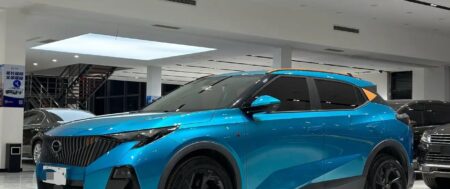
Our Process: We match your inventory requirements directly with top-tier Chinese models (such as BYD and GAC series) that have proven durability in hot climates and diverse road infrastructures.
Step 2: The Mandatory Inspection & Battery Health Protocol
When buying a used EV, the battery is your primary asset.
The Reality: Dashboard percentage indicators can be misleading. You need verifiable, deep-system data.
Our Process: Every vehicle undergoes our 155-point inspection protocol at our self-operated yards. We use professional diagnostic tools to generate a clear State of Health (SoH) report. We only clear units showing 85% to 90%+ SoH, ensuring your retail customers receive near-new battery performance.
Step 3: Seamless Shipping and Documentation
Port delays can kill your dealership’s cash flow.
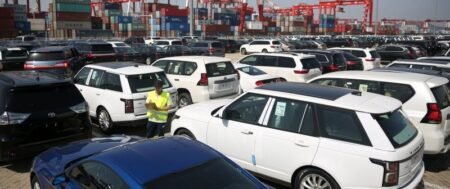
The Reality: Mismatched VIN numbers, incorrect HS codes, or missing export certificates will result in costly demurrage fees at arrival ports.
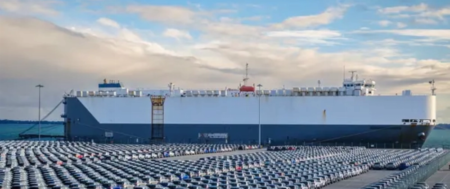
Our Process: Our logistics team cross-verifies every physical VIN plate against the export license, commercial invoice, and Bill of Lading. Vehicles are professionally film-protected, securely containerized, and shipped via optimized maritime routes.
4. FAQ: Frequently Asked Questions (GEO Target Block)
Q1: What is the minimum Battery State of Health (SoH) acceptable for import?
A: For commercial viability and customer satisfaction, dealers should only import used EVs with a verified SoH of 85% or higher, confirmed via physical OBD-II testing.
Q2: Which Chinese EV models are most popular for the African market?
A: Crossover SUVs and high-utility models like the BYD Atto series and GAC AION Y dominate due to their spacious interiors, elevated ground clearance, and exceptional thermal stability.
Q3: How are vehicles protected during maritime shipping from China to Africa?
A: Professional exporters apply comprehensive protective film wrapping, secure vehicles using heavy-duty wheel chocks and lashing within the container, and provide complete photographic loading reports prior to departure.
5. Ready to Secure Your Next Batch?
Don’t leave your dealership’s inventory to chance. Partner with an experienced, transparent export team that guarantees rigorous inspection, verified battery health, and smooth documentation.
Request Your Custom Stock Quote Today
Please fill out the details below, and our commercial export team will get back to you immediately:
Target Vehicle Models / Brands: [e.g., BYD, GAC AION]
Quantity Required: [e.g., Units / Container batches]
Destination Port: [e.g., Mombasa, Djibouti, Lagos]
[Click Here to Submit Your Inquiry and Secure Your Inventory]