How to Calculate the Landed Cost of Importing Cars from China
The purchase price is only one part of the total cost of importing a vehicle from China. Before placing an order, dealers, fleet operators and vehicle wholesalers should also consider inland transport, export handling, international shipping, insurance, customs duties, destination port charges and local delivery.
A vehicle with a lower purchase price may not always provide the lowest final cost. Shipping method, vehicle size, documentation, local taxes and after-sales requirements can all affect the actual amount paid before the vehicle reaches the buyer's warehouse or showroom.
This guide explains the main components of vehicle landed cost and the questions importers should ask before accepting a quotation.
Quick Summary
- The supplier's vehicle price is not the same as the final landed cost.
- Importers should confirm exactly what is included in the quoted trade term.
- Shipping cost depends on the route, vehicle dimensions, shipping method and order quantity.
- Destination duties, taxes and registration charges vary by country.
- CIF normally includes freight and insurance to the named destination port, but not automatically all destination charges or import taxes.
- A written cost breakdown should be prepared before the buyer confirms an order.
What Is the Landed Cost of an Imported Vehicle?
Landed cost is the estimated total amount required to purchase a vehicle, transport it internationally, complete import procedures and deliver it to the agreed destination.
A simplified vehicle landed-cost formula is:
Vehicle Purchase Price
+ China Inland Transport
+ Inspection and Export Handling
+ Port and Documentation Charges
+ International Shipping
+ Marine Insurance
+ Destination Customs Duty and Taxes
+ Destination Port and Clearance Charges
+ Local Delivery and Registration-Related Costs
= Estimated Vehicle Landed Cost
The exact calculation varies by destination country, vehicle type and agreed delivery terms. Importers should therefore use this formula as a framework rather than as a fixed quotation.
The International Trade Administration describes landed cost as the total price after including the original product price, freight, insurance, tariffs, taxes and other applicable fees.
1. Start with the Correct Vehicle Purchase Price
Before estimating shipping and import expenses, the buyer should confirm that the vehicle quotation refers to the exact model and configuration required.
A useful quotation should identify:
- Brand and model;
- Model year or production date;
- New, used, nearly new or previously registered condition;
- Battery capacity and powertrain type;
- Trim level and major equipment;
- Vehicle identification number, when available;
- Exterior and interior colour;
- Mileage for a used vehicle;
- Number of keys;
- Quotation currency;
- Quotation validity period;
- Agreed Incoterms rule and named place or port.
Importers should avoid comparing prices based only on the model name. Two vehicles with the same model name may have different batteries, production years, software versions, driving-assistance packages or registration histories.
2. Understand What EXW, FOB and CIF Mean
International vehicle quotations frequently use trade terms such as EXW, FOB and CIF. These terms help define how costs, transport responsibilities and risk are divided between the seller and buyer.
The current International Chamber of Commerce rules are Incoterms® 2020. However, the trade term alone does not replace a detailed quotation or sales contract. The named location, port and included services should always be written clearly.
| Trade Term | General Seller Responsibility | Important Buyer Costs |
|---|---|---|
| EXW | The vehicle is made available at the seller's named location, such as a warehouse or vehicle yard. | Collection, loading where applicable, inland transport, export handling, international shipping, insurance, import clearance and destination costs. |
| FOB | The seller completes export formalities and delivers the vehicle on board the buyer-nominated vessel at the named port of shipment. | Main ocean freight, insurance, destination charges, import duties, taxes, clearance and local delivery. |
| CIF | The seller arranges and pays for ocean freight and the required insurance to the named destination port. | Import clearance, customs duties, taxes, destination port charges, storage where applicable and local delivery. |
Important: CIF Does Not Normally Mean All-Inclusive Landed Cost
A CIF quotation generally includes cost, insurance and freight to the named destination port. It does not automatically mean that the quotation includes:
- Import customs duty;
- Value-added tax or similar local taxes;
- Destination terminal handling charges;
- Customs broker fees;
- Port storage;
- Vehicle inspection or certification;
- Registration charges;
- Transport from the destination port to the buyer's warehouse.
The buyer should request a list of both included and excluded charges instead of assuming that a CIF price is the final amount payable.
A Note About Container Shipments
FOB is widely used in commercial quotations, but the International Chamber of Commerce notes that FCA may be more suitable when goods are delivered to a container terminal before they are loaded on board the vessel.
Vehicle importers should discuss the transport arrangement with their supplier and freight forwarder and clearly name the agreed delivery point in the contract.
3. Include China Inland Transport
Vehicles are not always stored near the export port. They may need to be transported from a dealership, warehouse, auction location or inspection centre to the port.
China inland transport costs can depend on:
- Distance between the vehicle location and export port;
- Single-vehicle or multi-vehicle transport;
- Open or enclosed vehicle carrier;
- Vehicle size and weight;
- Whether the vehicle can be driven;
- Temporary storage requirements;
- Pickup timing and transport availability.
If the quotation is EXW, the buyer may need to organise and pay for this stage separately. Under another quotation structure, some or all inland transport may already be included.
Always ask where the vehicle is physically located and which Chinese export port is used for the quotation.
4. Add Inspection and Vehicle Preparation Costs
A pre-shipment inspection can reduce the risk of receiving a vehicle with undisclosed condition, software or documentation problems.
Depending on the vehicle and service scope, preparation costs may include:
- Exterior and interior condition inspection;
- VIN and vehicle document verification;
- Mileage and warning-light checks;
- Battery health or diagnostic scanning;
- Road testing;
- Photos and inspection videos;
- Account-unbinding checks for used EVs;
- Cleaning and basic vehicle preparation;
- Removal of personal items from a used vehicle;
- Protection for keys, screens and loose accessories.
The inspection scope should be agreed in writing. A basic visual inspection is not the same as a complete mechanical, battery and diagnostic inspection.
Related guide: How to Source Reliable Electric Vehicles from China .
5. Add Export Handling, Documentation and Port Charges
Vehicle export costs in China can include several services that may or may not be part of the quoted vehicle price.
Possible charges include:
- Export documentation preparation;
- Customs declaration;
- Handling by an export agent;
- Vehicle transport to the port terminal;
- Terminal or warehouse handling;
- Container loading and vehicle securing;
- Port storage;
- Document courier charges;
- Bill of lading fees;
- Special handling for non-operational vehicles.
Incorrect documents can also create indirect costs. A VIN error, inconsistent invoice information or delayed original document may lead to customs queries, storage charges and delayed vehicle delivery.
Related guide: Documentation Mistakes That Cause Car Import Delays .
6. Estimate International Vehicle Shipping
International shipping is one of the largest variable components of vehicle landed cost. Rates can change according to route availability, fuel costs, carrier capacity, season and port conditions.
Importers generally compare two main vehicle shipping methods:
- Container shipping — vehicles are secured inside a shipping container;
- RoRo shipping — operational vehicles are driven onto and off a specialised vessel.
| Cost Factor | How It Affects the Shipping Estimate |
|---|---|
| Origin and destination ports | Longer or less frequent routes may have higher freight costs. |
| Shipping method | Container and RoRo services have different rate and handling structures. |
| Vehicle dimensions | Larger SUVs, vans and pickups require more shipping space. |
| Order quantity | Multiple vehicles may share certain container and handling costs. |
| Vehicle condition | A non-running vehicle may require special loading equipment. |
| Port schedule | Limited sailings can affect both price and delivery time. |
| Temporary storage | Missed sailings or document delays may create additional charges. |
Shipping rates should have a stated validity period. Importers should avoid using an old freight quotation to calculate the current landed cost.
For a detailed comparison, read: Vehicle Shipping from China: Container vs RoRo .
7. Check the Marine Insurance Coverage
Marine cargo insurance can help protect the shipment against covered loss or damage during transportation. However, the existence of an insurance policy does not mean that every scratch, mechanical issue or battery problem is automatically covered.
Importers should confirm:
- Who purchases the insurance;
- The insured value;
- The coverage period;
- Covered and excluded risks;
- The deductible or excess;
- Whether container loading and unloading are covered;
- What evidence is required for a claim;
- Who is listed as the insured or beneficiary;
- The time limit for reporting damage.
Under CIF, the seller is required to arrange the applicable insurance coverage, but importers should still review the policy rather than assuming that the coverage meets every commercial requirement.
Clear pre-shipment photos, loading records and condition reports may be important if damage is discovered at the destination.
8. Confirm Destination Customs Duty and Taxes
This is one of the most important—and most country-specific—parts of the landed cost calculation.
Customs duties and taxes may depend on:
- Destination country;
- Vehicle HS classification;
- New or used condition;
- BEV, PHEV, hybrid or internal-combustion powertrain;
- Engine capacity, power output or battery specification;
- Vehicle age;
- Customs value;
- Country of origin;
- Available incentives or exemptions;
- Local environmental or technical rules.
Customs valuation methods also vary. Depending on the jurisdiction, freight, insurance and other charges may be included in the customs value used to calculate duties and taxes.
EVstrader can provide vehicle and shipping documents, but the importer should ask a licensed customs broker or relevant authority in the destination country to confirm:
- The correct HS classification;
- The customs valuation basis;
- Current duty and tax rates;
- Import eligibility;
- Required certification;
- Registration requirements.
A tax rate found in an old article or social-media post should not be used as the only basis for a commercial purchase.
9. Include Destination Port and Clearance Charges
After the vehicle arrives, the importer may still need to pay charges that were not included in the supplier's quotation.
These may include:
- Destination terminal handling;
- Port documentation fees;
- Customs broker charges;
- Inspection or scanning fees;
- Container unloading or vehicle release charges;
- Storage charges;
- Demurrage or detention;
- Port security charges;
- Certificate or conformity processing;
- Transport from the port to a warehouse or showroom.
The names and calculation methods of these charges differ between ports. Importers should request an estimate from a destination freight forwarder or customs broker before ordering vehicles.
10. Add Registration and Local Preparation Costs
If the vehicle will be registered for road use, the buyer may also need to budget for local inspection and registration-related expenses.
Possible costs include:
- Roadworthiness inspection;
- Vehicle conformity verification;
- Local registration;
- Number plates;
- Required modifications;
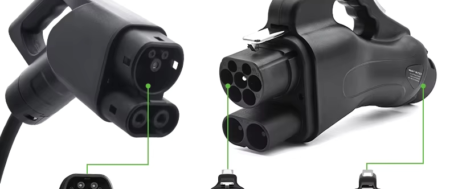
- Charging adapter or connector changes;
- Language or infotainment preparation;
- Tyres or other items required for local compliance;
- Dealer preparation before resale.
These expenses are not always part of customs clearance, but they still affect the amount required before the vehicle can be delivered to a retail customer.
Example Vehicle Landed-Cost Calculation
The following example is for illustration only. It is not a freight, customs or vehicle quotation.
| Cost Item | Illustrative Amount | How to Verify |
|---|---|---|
| Vehicle purchase price | USD 18,000 | Supplier quotation and specification sheet |
| China inland transport | USD 350 | Vehicle location and export port |
| Inspection and export handling | USD 450 | Written service scope |
| International shipping | USD 1,500 | Current freight quotation |
| Marine insurance | USD 100 | Insurance certificate and coverage |
| Customs duty and tax | Confirm locally | Destination customs broker or authority |
| Destination port and clearance | Confirm locally | Destination agent estimate |
| Local delivery and registration | Confirm locally | Local transporter and registration authority |
In this example, the subtotal before destination duty, tax, clearance, local delivery and registration is:
USD 18,000 + USD 350 + USD 450 + USD 1,500 + USD 100 = USD 20,400
The importer should not describe USD 20,400 as the final landed cost until the destination-side expenses have been added.
How to Calculate Cost Per Vehicle in a Batch Order
Batch imports may reduce some costs per vehicle because container, handling and documentation expenses can be shared. However, the calculation should reflect the actual loading plan.
A simple formula is:
Total Batch Purchase and Import Cost ÷ Number of Saleable Vehicles = Estimated Cost Per Vehicle
Importers should consider:
- How many vehicles can be loaded safely;
- Differences between sedan, SUV, van and pickup dimensions;
- Whether vehicle parts must be removed for loading;
- Loading and securing costs;
- Risk of damage during high-density loading;
- Different purchase prices within a mixed-model shipment;
- Inventory financing and storage costs;
- Whether every vehicle is ready for resale after arrival.
The lowest theoretical cost per vehicle should not be prioritised over safe loading and vehicle condition.
Common Landed-Cost Mistakes
Comparing Only the Vehicle Price
A cheaper vehicle can become more expensive if it is located far from the port, requires repairs or lacks usable parts and diagnostic support.
Treating CIF as a Final Door-to-Door Price
CIF normally ends at the named destination port and does not automatically include import taxes, destination clearance or inland delivery.
Using an Expired Shipping Quotation
Freight rates and vessel availability can change. Every shipping quotation should show its validity period.
Using an Unverified HS Code or Tax Rate
An incorrect classification can change the estimated tax, delay clearance or create additional compliance questions.
Ignoring Destination Port Charges
Terminal, broker, storage and inspection charges can materially change the final cost.
Not Allowing for Delays
Document errors, missed sailings or slow customs clearance may create storage, demurrage or detention costs.
Ignoring After-Sales Requirements
A vehicle with limited spare parts, software support or diagnostic access may have a low initial price but a higher long-term commercial cost.
Questions to Ask Before Accepting a Vehicle Quotation
- What is the exact model, trim, production date and vehicle condition?
- Which Incoterms® 2020 rule applies?
- What is the exact named place or port?
- Where is the vehicle currently located?
- Is China inland transport included?
- Are inspection and diagnostic checks included?
- Are export documents and customs declaration included?
- Does the shipping price cover a container, RoRo space or another method?
- Is marine insurance included, and what does it cover?
- Which destination charges are excluded?
- How long is the quotation valid?
- What documents will the buyer receive?
- Who is responsible if the sailing schedule or freight rate changes?
How EVstrader Helps Importers Prepare a Clearer Cost Estimate
EVstrader supports overseas dealers, fleet buyers and vehicle wholesalers with vehicle sourcing and export coordination from China.
Depending on the agreed service scope, support may include:
- Confirming vehicle model, specification and quantity;
- Providing a written vehicle quotation;
- Explaining the costs included in the quotation;
- Coordinating vehicle inspection;
- Arranging China inland transport;
- Preparing export documentation;
- Comparing available shipping methods;
- Providing current shipping information;
- Helping the buyer identify costs that require local confirmation.
Because destination taxes, port charges and registration costs are controlled by local authorities and service providers, importers should verify these expenses with a licensed local broker before completing the order.
Frequently Asked Questions
What is included in the landed cost of an imported car?
Landed cost may include the vehicle price, inland transport, inspection, export handling, shipping, insurance, customs duties, taxes, destination port charges, customs clearance and local delivery. The exact components depend on the destination and agreed delivery terms.
Does CIF include customs duties and import taxes?
Normally, no. CIF generally covers the goods, required insurance and freight to the named destination port. Import duties, taxes, customs clearance and many destination charges remain the buyer's responsibility unless the contract explicitly states otherwise.
Is container shipping cheaper than RoRo?
Not in every case. The result depends on the route, vehicle size, number of vehicles, available sailings, port charges and loading requirements. Buyers should compare current quotations for the same origin and destination.
Can EVstrader calculate the complete destination tax?
EVstrader can provide the vehicle and export information needed for an estimate, but the final classification, customs value, duty and tax should be confirmed by the relevant destination authority or a licensed customs broker.
How can an importer reduce the cost per vehicle?
Possible methods include choosing an efficient loading plan, ordering multiple vehicles, selecting a suitable export port, avoiding unnecessary storage and preparing accurate documents. Cost reduction should not compromise inspection, loading safety or vehicle condition.
Request a Vehicle and Shipping Quotation
Send EVstrader your destination country, preferred vehicle models, required quantity and expected shipping method. Our team can help prepare a clearer vehicle and export cost breakdown before you place an order.