Introduction: The New Era of EV Sourcing
The used electric vehicle (EV) market has undergone a significant transformation. By 2026, the gap between used EV pricing and comparable internal combustion engine (ICE) vehicles has narrowed dramatically, making electric inventory a stable and highly profitable segment of the wholesale ecosystem. However, sourcing remains a complex challenge.
Successful dealers in 2026 no longer view EVs as speculative, high-risk assets; they treat them as core inventory that requires a specialized appraisal framework. For dealers importing into emerging markets like Africa and the Middle East, the ability to discern a high-value asset from a liability is the single most important competitive advantage you can possess.
The 2026 Sourcing Framework: Beyond Mileage
Traditional used car appraisals—focusing solely on odometer readings and cosmetic bodywork—are obsolete when dealing with EVs. To ensure your inventory turns faster and commands better margins, you must adopt a data-driven acquisition strategy.
Key Appraisal Metrics for 2026
| Metric | Why It Matters | Best Practice |
| State of Health (SoH) | Determines actual range and asset value. | Use OBD-II scanners to pull BMS data; do not rely on dashboard % alone. |
| DC Fast-Charge Ratio | High frequency degrades batteries faster. | Request charging history logs if available. |
| Software Version | Dictates efficiency and features. | Ensure firmware is updateable to the latest stable version. |
| Remaining Warranty | Reduces dealership liability. | Prioritize units with active factory battery warranties. |
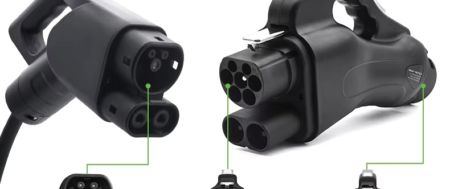
| Regional Charging Standard | Dictates customer usability. | Verify CCS2/GBT compatibility for your specific destination market. |
Best Practices for Professional Procurement
A. Adopt a “Hyper-Local” Demand Strategy
The biggest mistake dealers make is assuming all EVs have universal appeal. In 2026, successful inventory management is hyper-local.
- The Practice: Match your import stock to local infrastructure. If you are importing to a region with limited DC fast-charging, focus on high-efficiency models with strong AC-charging capabilities.
- The Strategy: Don’t stock every EV type. Specialize in segments where your local infrastructure and consumer awareness are strongest (e.g., compact crossovers for urban ride-sharing or prestige luxury SUVs for business centers).
B. Make Battery Health Transparency Your Brand Identity
In 2026, your customers are more technically savvy than ever before. They will ask about degradation, range loss, and battery longevity before they ask about the price.
- The Practice: Treat the battery health report as the “title” of the vehicle. When you present an EV to a buyer, provide a comprehensive diagnostic report.
- The Strategy: Dealers who can confidently explain the difference between State of Charge (SoC) and State of Health (SoH) build trust instantly. If your supplier cannot provide this, find a new supplier.
C. Invest in EV-Ready Reconditioning
Reconditioning an EV is different from an ICE vehicle. You aren’t changing oil or spark plugs; you are managing a high-voltage ecosystem.
- The Practice: Ensure your technical team (or your export partner) is trained in high-voltage safety and battery diagnostics.
- The Strategy: Proactively perform software updates and check battery cooling system levels. Vehicles that arrive “service-ready” command a 10–15% premium over units that require post-import troubleshooting.
The Risk Management Checklist for Importers
For dealers importing from China to Africa or the Middle East, the logistical and financial stakes are high. Mitigate your risks by following this checklist before every container shipment:
- Documentation Audit: Does the vehicle have a clean, verifiable VIN history? Check for any “salvage” or “total loss” flags in the source market.
- Climate-Duty Verification: Is the vehicle’s thermal management system rated for high-ambient temperatures? Avoid older first-generation EVs with passive air-cooled batteries.
- Language & OS: Is the infotainment system localized for your target market? A Mandarin-locked system is a dead-end asset for retail buyers.
- Charging Readiness: Does the car come with the necessary charging adapters (e.g., GB/T to CCS2) for local usage? Providing these in the trunk is a high-value, low-cost service that delights customers.
Leveraging EVstrader for Your Inventory
As the market matures, the independent dealer’s success is increasingly tied to the professionalism of their export partner. At EVstrader, we have streamlined this process for 2026:
- Verified SoH Data: Every S-Grade vehicle comes with documented battery health metrics.
- Streamlined Customs: We handle the complex documentation chains required for seamless entry into African and Middle Eastern ports.
- Technical Readiness: Our vehicles are pre-flashed with the appropriate software and verified for high-ambient climate usage.
Conclusion: Turning Inventory into Assets
The used EV market in 2026 is no longer a niche category—it is the backbone of the future wholesale ecosystem. Dealers who adapt by focusing on data-driven appraisals, battery health transparency, and region-specific technical reconditioning will capture the largest market share and the highest margins.
Don’t just buy cars; buy reliability. By treating your EV inventory with the technical rigor it requires, you ensure that every unit you import becomes a cornerstone of your dealership’s reputation.
Ready to upgrade your sourcing strategy? [Explore our current certified high-health EV inventory and let our team assist you in building your next profitable container.]