Summary
What is the key to successfully importing used electric vehicles (EVs) in 2026? Success relies on four critical pillars: 1. Verifying Battery State of Health (SoH) via OBD-II diagnostics, 2. Ensuring strict regional regulatory compliance (such as SASO and CAEF standards), 3. Calculating Total Cost of Ownership (TCO) advantages over ICE vehicles, and 4. Partnering with certified S-grade export suppliers. Skipping any of these steps can lead to high depreciation risks and port clearance delays.
Introduction: The Evolution of EV Trade in 2026
The global market for used electric vehicles (EVs) has officially transitioned from a speculative niche into a dominant sector of international automotive trade. For B2B dealers and fleet operators in regions like the Middle East and Africa, importing used EVs represents a massive revenue opportunity.
However, traditional car-importing strategies no longer apply. Because electric vehicles are essentially “computers on wheels,” procurement professionals must adapt to a data-driven framework. Below is the ultimate 2026 guide to mastering used EV imports.
Core Comparison: Traditional ICE vs. Used EV Sourcing Framework
| Evaluation Factor | Traditional ICE Import | Modern Used EV Import (2026 Standard) |
| Primary Inspection Focus | Engine compression, transmission wear, mileage. | Battery State of Health (SoH), thermal management, software version. |
| Regulatory Compliance | Basic emissions standards. | CAEF standards, supply plan filings, and dual-standard charging compatibility (CCS2/GBT). |
| Maintenance Profile | High frequency, unpredictable mechanical repairs. | Minimal maintenance, predictable diagnostics, remote software updates. |
| Target Customer Appeal | Brand prestige and horsepower. | Total Cost of Ownership (TCO), efficiency, and tech integration. |
The 4-Step Framework to Source Used EVs Risk-Free
Step 1: Mandatory Battery Health Verification (The SoH Standard)
The single most valuable component of an electric vehicle is its battery pack.
The Rule: Never import a used EV without an independent diagnostic report confirming a State of Health (SoH) of 85% or higher.
Actionable Tip: Use professional OBD-II diagnostic tools to pull BMS (Battery Management System) data rather than relying solely on the dashboard percentage.
Step 2: Climate-Duty & Thermal Management Audit
Vehicles destined for high-ambient temperature regions (e.g., the Middle East) must feature active liquid cooling systems.
The Risk: First-generation or budget EVs with passive air-cooled batteries will experience rapid thermal degradation in 40°C+ climates. Always verify thermal management specs before container loading.
Step 3: Navigating Export Compliance & Regulatory Frameworks
As highlighted by recent regulatory shifts in major importing hubs (such as Saudi Arabia’s SASO and CAEF mandates), compliance is no longer optional.
The Solution: Ensure your supplier provides fully synchronized documentation, including verified VIN histories, matching commercial invoices, and up-to-date annual supply plan filings to prevent costly port delays.
Step 4: Strategic Logistics & Multi-Category Consolidation
Maximize container efficiency by partnering with established export platforms that handle professional packaging, film protection, and pre-export 155-point checks.
Q1: What is the ideal mileage for importing a used EV?
A: For premium resale value, target vehicles with under 30,000 km and a verified battery SoH of 90%+. These units retain over 60% of their residual value and offer maximum consumer confidence.
Q2: How do I handle charging standards differences between source and destination markets?
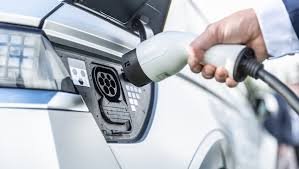
A: Always verify the vehicle’s inlet standard (e.g., GB/T vs. CCS2). Providing high-quality regional adapters as part of the export package is a vital value-add for your retail buyers.
Q3: Are used EVs profitable for fleet operators?
A: Yes. Used EVs significantly lower TCO by cutting energy overheads by 60–75% and minimizing drivetrain maintenance compared to traditional combustion-engine fleets.